Mad honey: myth or real?
Learn what mad honey actually is, how it works in the body, and how to use it safely
A rare mountain honey from the Himalayas that can make you feel calm, grounded, even a light "buzz"? It reads like folklore—the kind of story that gets passed around travel blogs and Reddit threads with equal parts fascination and skepticism.
Is it dangerous or safe?
What is mad honey?
It sounds like a myth until you understand why it exists.
The first time you hear about it, mad honey sounds fake.
A rare mountain honey from the Himalayas that can make you feel calm, grounded, even give you a light "buzz"? It sounds like folklore, the kind of story that gets passed around travel blogs and Reddit threads with equal parts fascination and skepticism.
Except it's real.
And it's been real for thousands of years. Ancient Greek texts mention soldiers falling ill after consuming honey in the Black Sea region. Nepali mountain communities have harvested it for centuries as part of traditional practices.
But once you understand the science behind it, mad honey stops being mysterious. It's not magic. It's not some carefully guarded secret. It's just nature doing something remarkable in a very specific place, at a very specific time of year, when wild bees, called Apis Laboriosa, forage on flowers that most other pollinators avoid.
This guide explains everything: what it actually is, why it exists, what it feels like, how to use it safely and how to spot the real thing.
The simple answer
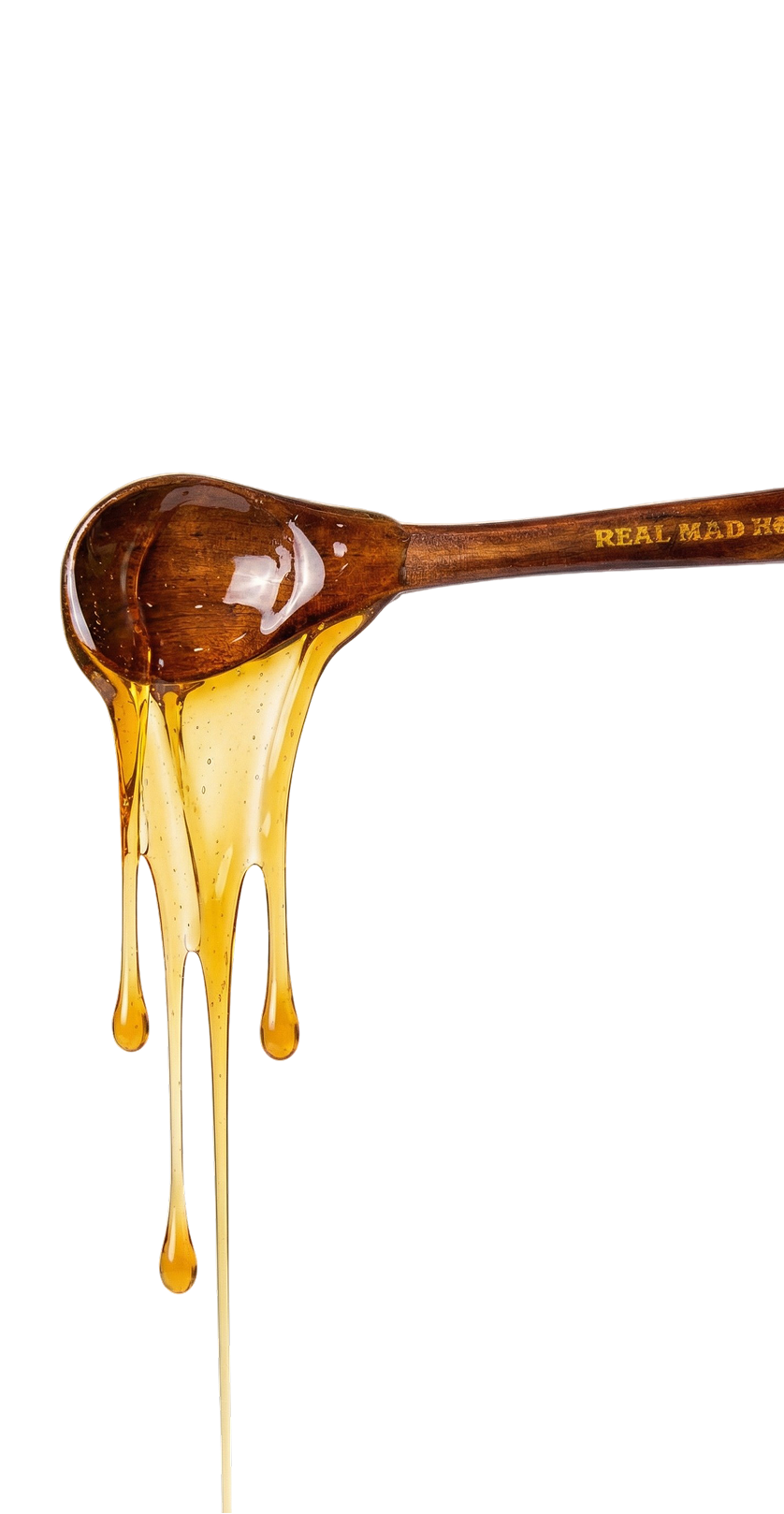
Mad honey is real honey. The difference is where the bees forage and what bees forage.
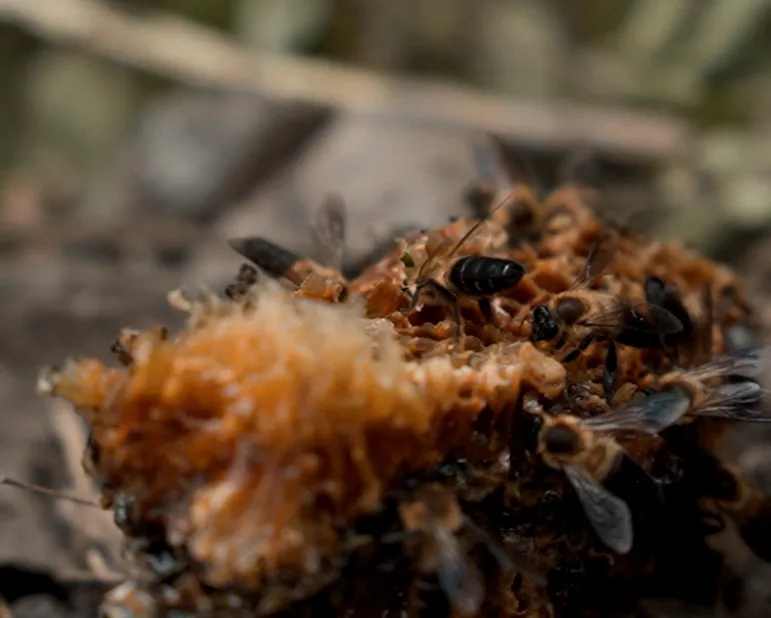
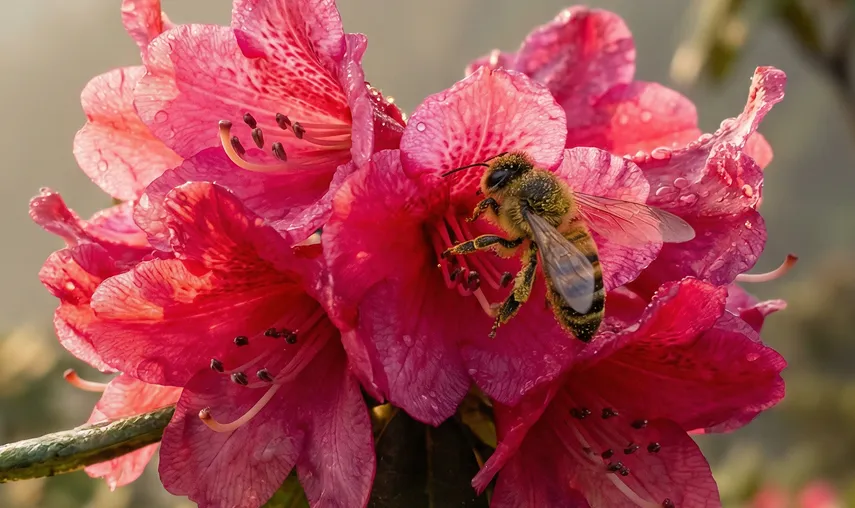
In certain mountain regions, mostly Nepal's high-altitude forests, wild bees collect nectar from specific rhododendron flowers during short seasonal windows. When they do, naturally occurring compounds called grayanotoxins carry into the honey.
These compounds interact with your nervous system in measurable, predictable ways. That's why some people feel a distinct shift after a small spoon, a shift that's been documented not just anecdotally, but in clinical toxicology studies and ethnobotanical research spanning decades.
No ancient rituals required. No mysticism. Just bees doing what bees do, in a place where the flowers contain something unusual. Something that, in the right amount, can slow your nervous system down in ways that feel grounding, calming, even mildly euphoric.
But here's what makes mad honey different from every other "special" honey you've heard of: the effect isn't placebo. It's biochemistry.
The science of grayanotoxins:
origin & mechanism
Let's talk about grayanotoxins the way a toxicologist would, not with mysticism, but with mechanism.
Grayanotoxins (GTX) are naturally occurring diterpenoid compounds found in the nectar and pollen of certain Rhododendron species, particularly R. campanulatum and R. thomsonii. They're the plant's chemical defense system, a way to deter herbivores from eating the flowers.
But what makes grayanotoxins interesting isn't just that they exist. It's how they work.
The mechanism: sodium channel modulation
Here's what happens at the cellular level when you consume grayanotoxins in small amounts:
1. They bind to voltage-gated sodium channels in nerve and muscle cells.
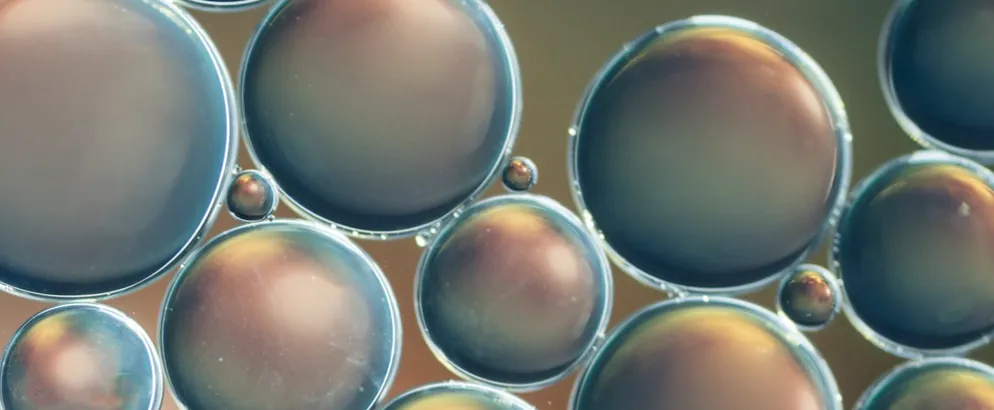
Sodium channels are proteins that control the flow of sodium ions across cell membranes. When a nerve or muscle cell needs to fire a signal, these channels open, sodium rushes in, and an electrical impulse travels down the cell. Normally, these channels open briefly and then close. Grayanotoxins change that. They bind to sodium channels and keep them open longer than they should be. This means cells stay in a state of partial depolarization, they're "on" when they should be cycling back to "off."
How grayanotoxins transform your body and mind
Let's be clear: grayanotoxins aren't a health supplement. They're not adaptogens. They're not going to "boost your immune system" or "balance your hormones."
But what they can do, when consumed in small, controlled amounts, is create a state that many people find genuinely beneficial:

Nervous system downregulation.
In a world where most of us are overstimulated, chronically stressed, and sympathetic-dominant (fight-or-flight mode), a compound that gently slows neural activity can feel deeply restorative. It's not sedation. It's more like turning the volume down on background noise.
Reduced rumination and mental looping.
Many users report that the mental chatter that normally runs in the background, worries, planning, replaying conversations, simply quiets down. This isn't cognitive impairment; it's a temporary shift in the default mode network, the brain's "idle" state.
Physical relaxation without grogginess.
Unlike alcohol or pharmaceutical sedatives, grayanotoxins don't make you foggy or disconnected. You're still mentally present, just calmer. Your body feels heavier, more grounded, but your mind stays clear.
A ritual for intentional rest.
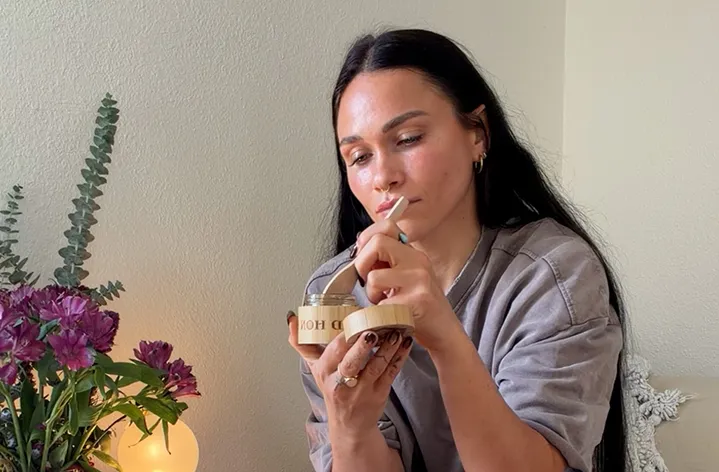
Perhaps the most overlooked benefit is psychological: the act of taking a small spoon of honey, waiting, observing how your body responds, and allowing yourself to slow down. In that sense, mad honey functions less as a drug and more as a catalyst for intentional rest.
Nervous system downregulation.
In a world where most of us are overstimulated, chronically stressed, and sympathetic-dominant (fight-or-flight mode), a compound that gently slows neural activity can feel deeply restorative. It's not sedation. It's more like turning the volume down on background noise.
Rarety and variety of the honey



Geography:
Which mountain, which valley, which patch of rhododendron
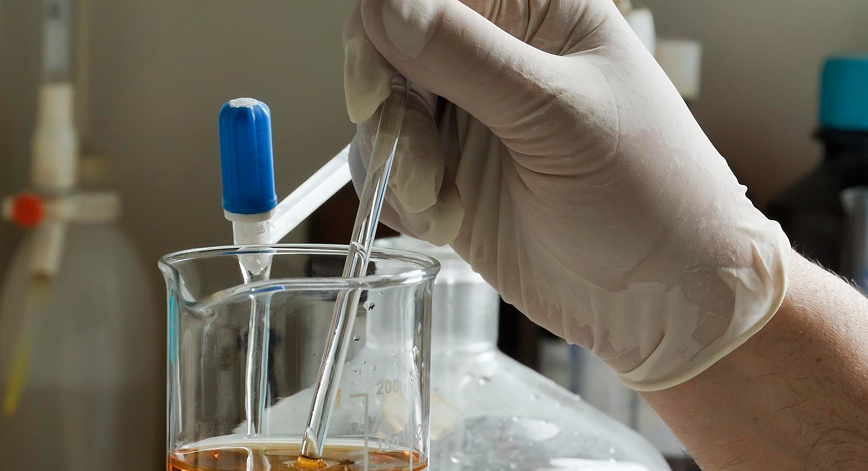
Scientific analyses of mad honey samples have shown GTX concentrations ranging from undetectable levels to over 10 mg/kg, a massive range. That's why lab testing per batch isn't optional. It's the only way to know what you're actually consuming.
The key takeaway
Grayanotoxins aren't mystical. They're not "ancient plant medicine." They're well-studied bioactive compounds with a clear mechanism of action: sodium channel modulation leading to nervous system downregulation.
At small doses, they're safe and can be profoundly calming. At higher doses, they're genuinely toxic.
That's why dosing matters. That's why lab testing matters. And that's why treating mad honey with respect, like you would any bioactive substance, is essential.
*Any statements have not been evaluated by the Food and Drug Administration. This product is not intended to diagnose, treat, cure, or prevent any disease.
Where does mad honey come from?
The Himalayas: Nepal's cliff honey
The most famous mad honey comes from the high-altitude forests of Nepal, where it's been harvested for centuries by the Gurung people and other mountain communities.
This isn't beekeeping. It's wild harvesting from cliff faces - and it's one of the most dangerous forms of honey collection in the world.
The process looks like this:
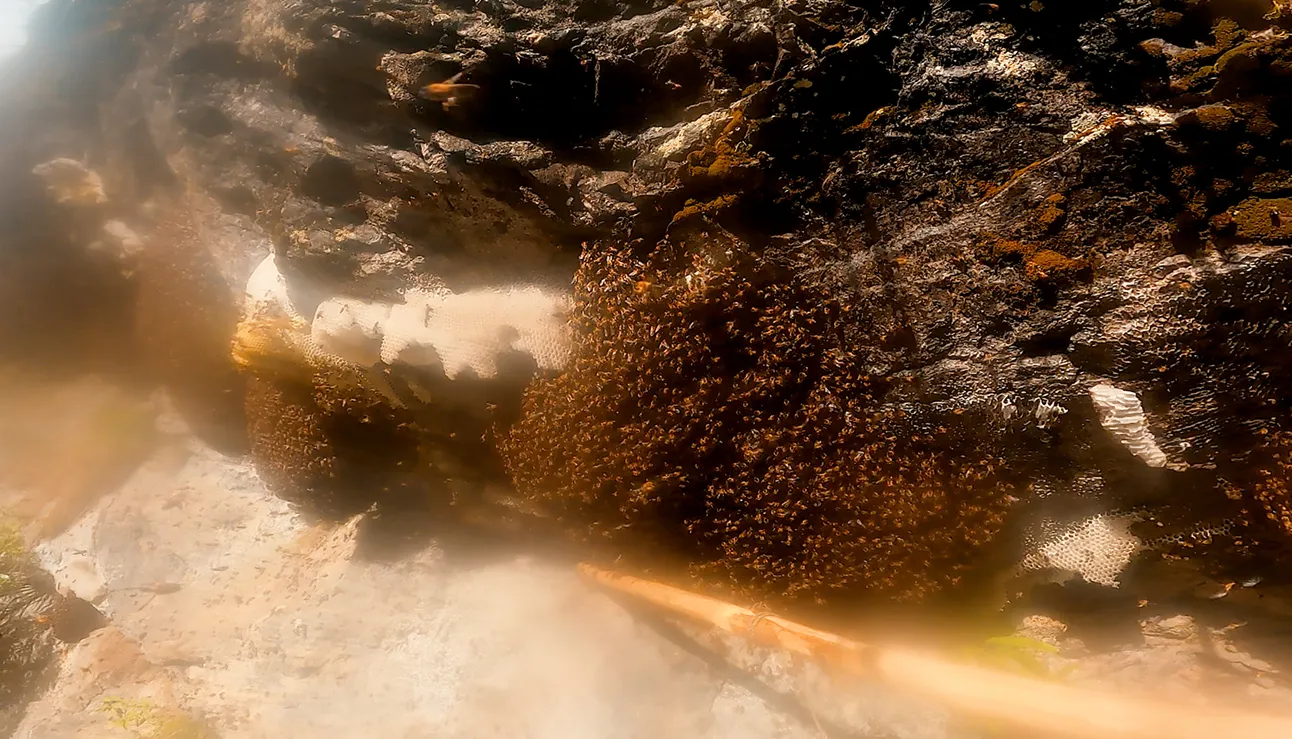
The honey hunters leave their villages before dawn, carrying rope, bamboo ladders, and woven baskets. They hike for hours - sometimes days - into remote forests where the giant Himalayan honey bee (Apis laboriosa) builds its massive nests on vertical cliff faces.
When they reach the cliffs, they build rope ladder systems on-site. Then, they descend - often 100, 150, even 200 feet above the ground - while smoke from burning green rhododendron branches swirls around them, agitating tens of thousands of defensive bees. They work quickly, using long bamboo poles with curved knives to harvest sections of honeycomb - each section can weigh 50 pounds or more. They lower these sections down in baskets, then climb back up, often stung dozens of times in the process.
Then they carry everything back. Down steep mountain trails. Through forests. For hours.
It's physically demanding, genuinely dangerous, and one of the clearest signals you're buying something authentic - not mass-produced in a warehouse somewhere.
Why the cliffs matter:
The giant Himalayan honey bee only builds nests on south-facing cliffs at specific altitudes - usually between 2,500 and 3,000 meters. These cliffs are often in areas where wild rhododendron forests bloom in early spring, which is exactly when the bees forage most actively. The combination of altitude, cliff orientation, and bloom timing creates the conditions for high-GTX honey.
You can't replicate this. You can't farm it. You can only find it, harvest it, and hope the bees come back next year.


The harvesting process

The journey through the mountains.
Honey hunters trek for days through rugged mountain terrain to reach remote cliff locations where wild bees have built their hives.

What does it feel like?
This is what everyone asks - and it's the hardest question to answer definitively.
Because the experience varies.
Some people take a small spoon and feel a noticeable wave of calm within 30 minutes. Grounded. Slowed down in a good way. Like their nervous system just exhaled.
Others feel mostly relaxation - a softer body, a quieter mind, but nothing dramatic. Some feel a light "buzz," a subtle euphoria that hovers at the edge of perception. And some feel very little beyond "that's really good honey."
Sometimes the same person has different experiences depending on the batch, the amount, their setting, or even what they ate that day.
Here's what we know from talking to hundreds of customers and from ethnographic studies of traditional use:
*Any statements have not been evaluated by the Food and Drug Administration. This product is not intended to diagnose, treat, cure, or prevent any disease.

What people commonly describe
At responsible servings (5g):

Calmer, quieter mind.
The mental chatter that normally runs in the background - worries, planning, replaying conversations - fades into the background. Not gone, just quieter.
Ryan P.

Softer, more relaxed body.
Muscle tension you didn't realize you were holding releases. Your jaw unclenches. Your shoulders drop.
Bill A.

Heavier eyelids.
A gentle pull toward rest. Not drowsiness, exactly - more like your body suggesting it's time to slow down.
Dino M.

Less physical tension.
The tightness in your chest, the knot in your stomach, the low-level activation that comes from chronic stress - it softens.
Rita H.

A subtle sense of being "present."
You notice your breath. You notice the weight of your body. You're here, now, without the usual mental drift.
Robbie
For some people, there's also a mild euphoria - nothing intense, but a general sense of wellbeing, like everything is just a little bit easier.



Why people use it
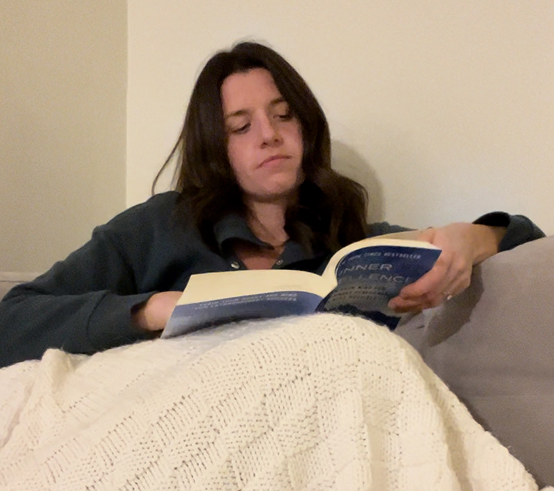
Most people treat mad honey like a ritual:
To unwind after work.
Instead of reaching for a drink, they take a small spoon of honey and let the day fade.
Before bed for deeper rest.
Not as a sleep aid (it's not a sedative), but as a way to signal to their body that it's time to wind down.
To quiet mental noise.
For people whose minds run constantly, mad honey offers a temporary break from the loop.
To disconnect from the day.
A moment of intentional rest in a world that never stops asking for more.
The honest truth about variability
If every jar tasted and felt exactly the same, it would mean the honey had been heated, filtered or blended.
Real mad honey is 100% wild-harvested. GTX levels and flavor are shaped by Himalayan microclimates, the seasonal rhythm of the harvest, and the fact that the honey is never blended or processed to hit a "standard" taste.
That's why every batch is lab-tested and shipped with clear dosage guidance. The variation isn't a defect. It's proof the honey is alive.